Enter your page details below. The social card previews on the right update live as you type.
Fill in your og:title, og:description, og:image URL and og:url. These are the four tags that control how your link looks when shared on every major social platform.
Three pixel-accurate mock-ups update instantly as you type, showing exactly how your link card will render on Facebook, LinkedIn and Twitter/X with their specific layouts.
Live character counters flag when your title or description is too long for each platform. Truncation kills click-through rates, fix it before it goes live.
Once you're happy with the preview, copy the ready-to-paste Open Graph meta tag HTML directly into your page's <head> section.
Open Graph is a set of meta tags that tell social platforms what to show when someone shares your link. Facebook created the protocol in 2010 and everyone adopted it, so the same four tags now control the preview card on LinkedIn, WhatsApp, Slack, Discord and X.
Four tags do the work. og:image is the picture, at 1200 by 630. og:title is the headline. og:description is the line under it. og:url is the canonical address. Miss og:image and the platform guesses, which usually means a grey rectangle or your logo cropped in half.
This is not an SEO thing. Open Graph does not affect ranking at all. It affects whether a link shared in a WhatsApp group gets clicked or scrolled past.
Two more tags round out a solid card. og:type is usually website for a page and article for a blog post, and og:site_name puts your brand name on the card. For X you do not need a second full set. X falls back to your Open Graph tags, so one line, twitter:card set to summary_large_image, is enough to switch on the big-image layout. Keep the image itself light too. Aim for under 300KB so it loads on WhatsApp, and stay well under the platform ceilings, which sit around 5 to 8MB, or the picture may be dropped from the preview.
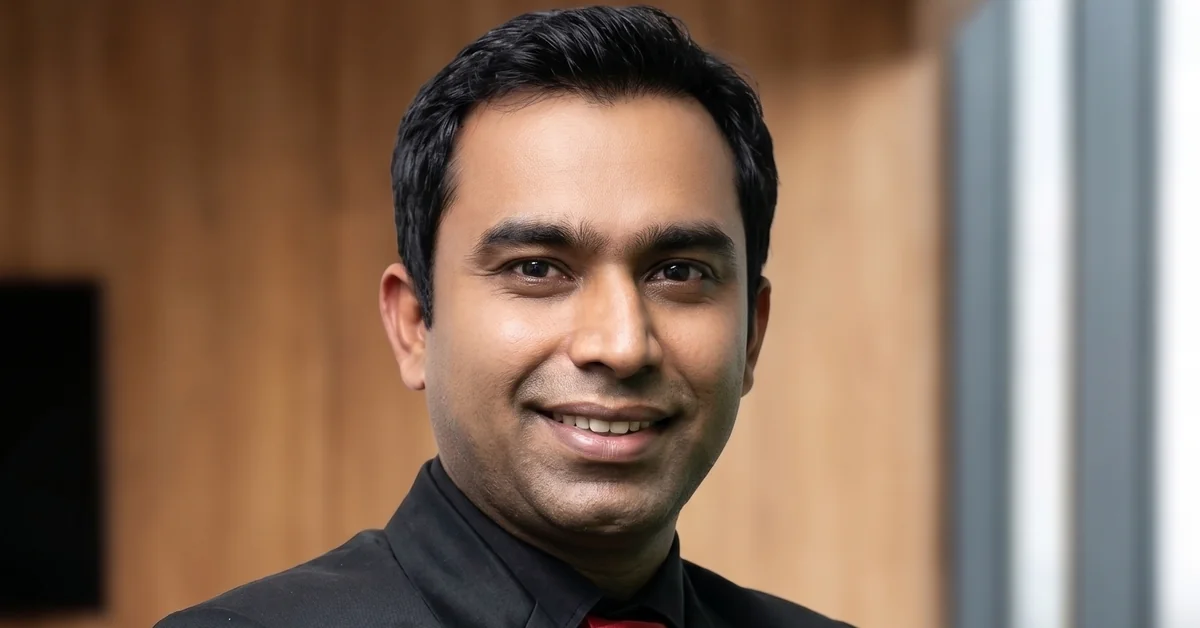
Written by Chirag Arora, digital marketing consultant with 17+ years of hands-on SEO experience across 500+ projects. He designed this tool and the other 22 free tools on this site. Verify on LinkedIn.
| Platform | Reads | Worth knowing |
|---|---|---|
| Open Graph | Caches for around 7 days. Use their Post Inspector to force a refresh | |
| Open Graph | Their Sharing Debugger re-scrapes on demand. The original implementer | |
| Open Graph | Caches hard and offers no debugger. Get it right before you share | |
| X / Twitter | Twitter Card, falls back to Open Graph | You can skip Twitter tags entirely and it still works |
| Slack and Discord | Open Graph | No debugger. They just read what is there when first shared |
| Nothing | Open Graph has no effect on search ranking. Different job entirely |
The caching row is the one that wastes people's afternoons. You fix og:image, re-share the link and see the same broken card, then conclude the fix failed. It did not. The platform is showing you what it scraped days ago. Fix the tags, then use LinkedIn's Post Inspector or Facebook's Sharing Debugger to force a fresh scrape. WhatsApp gives you no such option, which is a good reason to check the card before the link goes anywhere.
This free Open Graph preview tool shows how your link looks when someone shares it, before they share it. Paste a URL and it imports the tags the page already has, then renders the card as LinkedIn, Facebook and X would draw it. Edit the tags and the preview updates as you type. It runs online with no account and nothing to install.
Open Graph is the most ignored high impact thing on a website. Across 500+ projects, roughly half the sites I audit have no og:image at all, which means every link anyone posts to a WhatsApp group or a Slack channel renders as a grey rectangle with a URL under it. Nobody clicks a grey rectangle. It takes ten minutes to fix and nobody had ever looked, because the tags are invisible on the page itself. You only see the damage somewhere else, in someone else's feed.
The trap that follows is caching. You fix the tags, re-share and see the same broken card, then assume it did not work. It did. The platform is showing you what it scraped days ago. Set the tags properly with the free meta tag generator, get the dimensions right with the social media image size guide, then browse the rest of the free SEO tools.
A few things decide whether a preview shows at all. The og:image URL has to be absolute and publicly reachable, no login wall, no robots block and a valid certificate, because every platform fetches it from the outside. Keep your headline and logo inside the middle two-thirds of the frame, since each service crops the edges a little differently. And when a card looks wrong after you fix the tags, the culprit is almost always a cached old version, so run the page through Facebook's Sharing Debugger, the LinkedIn Post Inspector and the X Card Validator to force a fresh scrape, or append a version to the image URL. One 1200 by 630 image plus a twitter:card value of summary_large_image covers nearly every place a link gets shared.
The tags are read from your live page through our own server, so the card you see is drawn from exactly what your HTML says rather than a guess. The rendering is a close approximation rather than a pixel-perfect clone. Each platform tweaks its card design periodically and none of them publish a spec, so treat this as a check on whether the tags are present and sensible rather than a promise about typography. One genuine limit worth knowing: this cannot show you what a platform has already cached. If LinkedIn scraped your URL last week, that is what it will keep showing until you force a re-scrape in its own Post Inspector, no matter what this preview says.
Common questions about this free tool, answered clearly.
You have no og:image, almost certainly. When a platform finds no Open Graph image it either guesses from the page and usually picks something unfortunate, or it gives up and shows a plain rectangle with the URL. Add an og:image at 1200 by 630 and the problem disappears. This is the commonest sharing fault on the web and it is invisible from your own site, which is why nobody catches it.
Caching, and this catches nearly everyone. Platforms scrape your URL once and store the card for days. LinkedIn holds it for around a week. So you fix the tags, re-share and see the same broken card, then conclude the fix failed. It did not. Force a re-scrape using LinkedIn's Post Inspector or Facebook's Sharing Debugger. WhatsApp gives you no debugger at all, which is the best argument for checking before you share.
Not really. X reads Twitter Card tags if they exist and falls back to Open Graph if they do not, so a page with good Open Graph tags previews fine on X without a single Twitter tag. Add them if you want different copy on X specifically. Otherwise it is duplication for its own sake.
No. Google does not use Open Graph tags for ranking, and they have said so. It is a completely separate job: Open Graph controls how your link looks when a human shares it, while your title and meta description control how it looks in search. The confusion is understandable because they are all meta tags in the same head, but they are read by different machines for different reasons.
1200 by 630, a ratio of 1.91 to 1. That is the standard across LinkedIn, Facebook, WhatsApp and Slack. Keep anything important away from the edges, because different platforms crop slightly differently. Avoid small text too, since the card renders tiny on a phone. If you only add one Open Graph tag, add this one.
Yes. Paste any URL into the import box and it will read that page's Open Graph tags and render its card. It is a fast way to see how competitors present themselves when shared, and an even faster way to notice that most of them have not thought about it either.
This free tool shows you the card. If you would rather have someone make every link worth clicking, here are a few honest reasons businesses hire me as their SEO and digital marketing consultant in India.
Half the sites I audit have no og:image. Every link shared is a grey box. It is invisible from your own site, which is exactly why it survives for years.
I started as a technical SEO trainee, not in a management seat, and I still write the tags myself. You get direct expertise, not a ticket passed to a developer.
The Open Graph preview you just used, I designed it, along with 22 other free SEO tools on this site. It is a direct look at how I work before you ever become a client.
A card is read on a phone, in a scroll, in half a second. I design the image and title for that moment rather than for how they look on your monitor.
Messages get a reply within 24 hours on business days, and WhatsApp is the fastest way to reach me for anything urgent. You are not waiting in a support queue.
Platforms cache your card for days, so a bad first share is expensive. I check every important page before the link goes anywhere.
"Every link we posted showed a grey box with our URL under it. No og:image on any page. Chirag fixed it in an afternoon and our LinkedIn engagement doubled."
"We had spent a week convinced our tags were broken. Chirag explained it was LinkedIn's cache and forced a re-scrape in two minutes. His 17+ years shows."
"As a small business, we started with Chirag's free tools, then hired him. Ranked Page 1 for our main terms within 3 months. Practical, no fluff, real value."
Featured on leading media platforms. Watch interviews, expert commentary and digital marketing insights covered by top news channels and podcasts.
CMD Club Meet 2025 at Club Capri, Gurgaon : A Brief of ClipsTrust
YouTube · Business Meet
How to Build Customer 🔥Trust 🔥 - Biggest Challenges Today
Eventra vlogs
Digital Marketing Beginner to Advanced Journey | Podcast b/w Chirag Arora & Pankaj
YouTube · Podcast Episode